News

  • Why do car connectors need to undergo safety and reliability testing?

    Why do car connectors need to undergo safety and reliability testing?

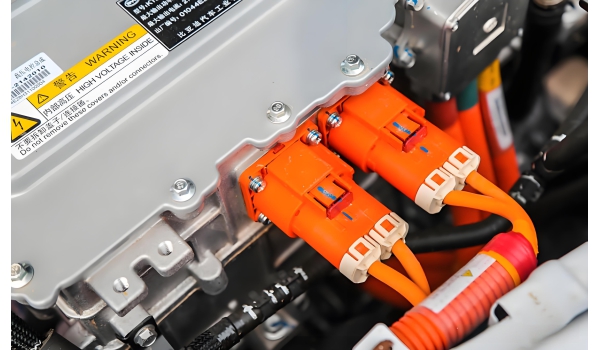
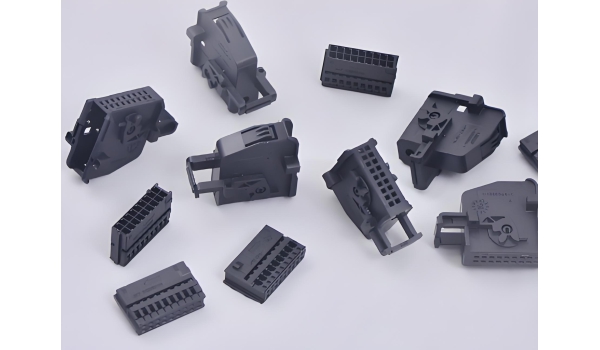
    As indispensable key components in automotive electrical systems, automotive connectors may seem structurally simple, but they are directly related to the safety and operational stability of vehicles. To ensure that automotive connectors meet quality standards, reliability testing is an essential process. So, why must automotive connectors undergo reliability testing? Below is a detailed analysis of the reasons.
    2025-09-23
  • The knowledge points  of automobile connectors

    The knowledge points of automobile connectors

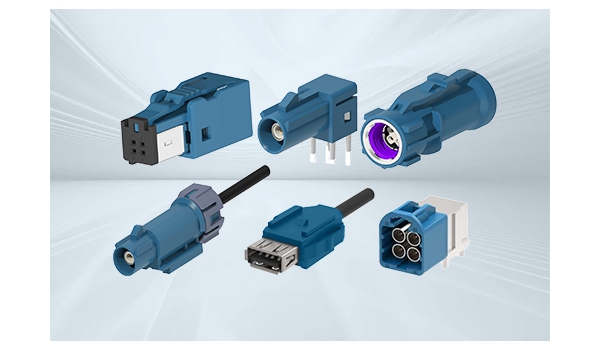
    If you’ve ever had a car’s infotainment system freeze, a sensor stop working, or even a starter fail unexpectedly, the culprit might be something you’ve never paid much attention to: automotive connectors. These small but mighty components are the unsung heroes of your vehicle’s electrical system, linking everything from the battery to the engine control unit (ECU) and ensuring power and signals flow smoothly. Whether you’re a DIY car enthusiast, a professional mechanic, or just someone who wants to keep their ride running reliably, understanding the basics of automotive connectors is a game-changer. Let’s break down the essential knowledge points you need to know.
    2025-09-17

  • Systematic classification and characteristics of automotive connectors

    Systematic classification and characteristics of automotive connectors

    Technical features: Adopting a plug and socket plug-in structure, supporting fast plugging and unplugging operations Core advantages: assembly efficiency increased by 30%, maintenance operation time reduced by 50%
    2025-09-17
  • How Waterproof Automotive Connectors Achieve Dustproof and Waterproof Performance

    How Waterproof Automotive Connectors Achieve Dustproof and Waterproof Performance

    This is the basic structure for waterproof and dustproof performance. Usually, an annular groove is designed at the joint of the connector‘s plug and socket, with an elastic sealing ring (such as silicone rubber or EPDM rubber) installed. When the plug and socket are mated, the ring is compressed to fill gaps, forming a physical barrier against dust and water. For example, some connectors in the engine compartment use multiple sealing rings to enhance protection.
    2025-09-13
  • How to Use Automotive Wire Connectors?

    How to Use Automotive Wire Connectors?

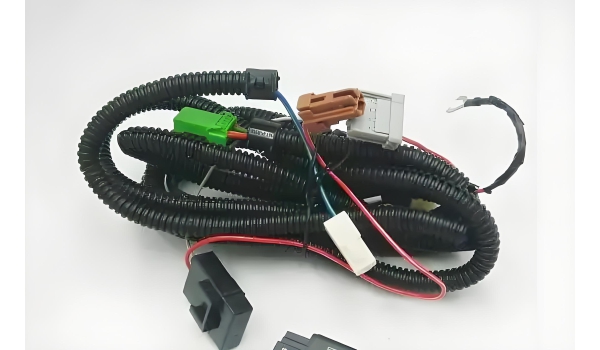
    Automotive wire connectors are vital in a vehicle’s electrical system, linking wires powering components from headlights to engine sensors. Knowing how to use them correctly is key for repairs, installing new parts, or custom wiring. The right automotive connector and proper techniques ensure minimal resistance, prevent short circuits, and guarantee durability. This guide covers using them, from selection to secure connection.
    2025-09-11
  • How to Repin an Automotive Connector

    How to Repin an Automotive Connector

    Automotive connectors are the unsung heroes of a vehicle’s electrical system, linking everything from sensors to control modules. Over time, these connectors can suffer from wear, corrosion, or damage, leading to poor electrical contact, malfunctioning components, or even complete system failures. Instead of replacing the entire harness—a costly and time-consuming fix—repinning the automotive connector is often a practical solution. In this guide, we’ll walk you through the step-by-step process of repinning an automotive connector, ensuring a reliable repair that saves you time and money.
    2025-09-11
  • 10 types of Automotive Connectors

    10 types of Automotive Connectors

    Automotive connectors are vital parts of vehicles, playing a key role in the proper functioning of automotive systems. Let‘s take a look at some common types of these connectors:
    2025-09-05
  • How to Safely Remove Wires from Automotive Push-In Connectors?

    How to Safely Remove Wires from Automotive Push-In Connectors?

    Working on automotive electrical systems often requires disconnecting wires from push-in connectors—those small, spring-loaded components that secure wires without screws or bolts. While these connectors simplify installation, removing wires incorrectly can damage the connector, fray the wire, or even short-circuit your vehicle’s electrical system. Whether you’re replacing a sensor, repairing a wiring harness, or upgrading electronics, mastering safe wire removal is critical for DIY success and preventing costly repairs. Below is a detailed, visual guide to help you navigate the process with confidence.
    2025-09-05

Search Product

News

Hot Product