

Automotive Connector Market 2026: Key Trends Shaping the Future of Vehicle Connectivity
The automotive industry is entering a new era of electrification, connectivity, and autonomous driving. As vehicles become increasingly dependent on electronic systems, the demand for high-performance automotive connectors continues to rise.
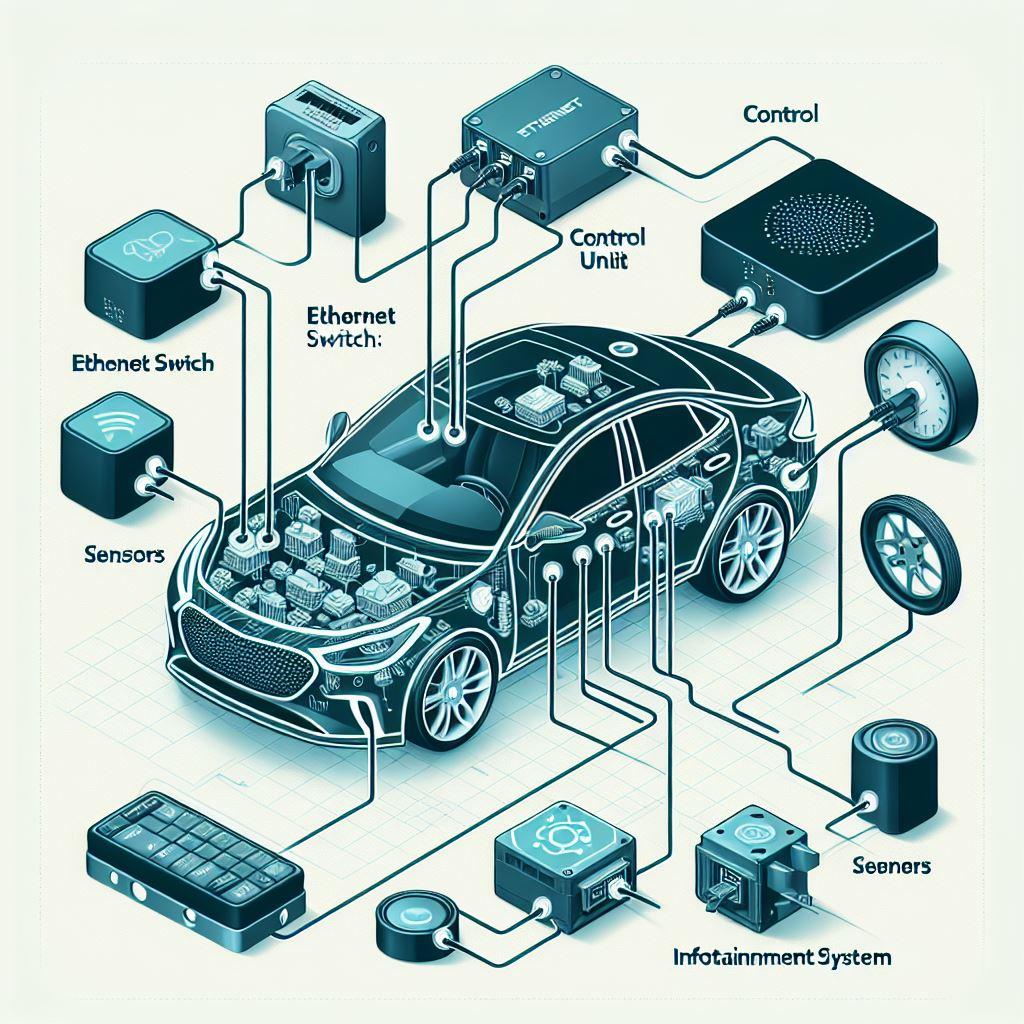
In 2026, automotive connectors are no longer simple electrical components. They have become critical technologies that enable communication between cameras, sensors, radar systems, infotainment platforms, and vehicle control units.
Driven by the rapid growth of electric vehicles (EVs), Advanced Driver Assistance Systems (ADAS), automotive Ethernet, and software-defined vehicles, the global automotive connector market is expected to maintain strong growth throughout the coming decade.
Rising Demand for Vehicle Connectivity
Modern vehicles contain significantly more electronic content than traditional automobiles.
A typical connected vehicle may include:
Multiple cameras
Radar sensors
LiDAR systems
GPS modules
Telematics units
Infotainment displays
Vehicle Ethernet networks
Each of these systems relies on reliable connectors for power and data transmission. As vehicle architectures become more complex, connector performance has become a key factor in overall system reliability.
ADAS Continues to Drive Market Growth
ADAS remains one of the strongest growth drivers in the automotive connector market.
Features such as:
Lane Keeping Assist
Adaptive Cruise Control
Automatic Emergency Braking
Blind Spot Detection
360° Surround View Systems
require multiple cameras, radar modules, and communication networks.
As a result, demand for high-speed connectors such as FAKRA, Mini FAKRA, and Automotive Ethernet solutions continues to increase.
Mini FAKRA Becomes a Fast-Growing Segment
One of the most important trends in 2026 is the rapid adoption of Mini FAKRA technology.
Compared with traditional FAKRA connectors, Mini FAKRA offers:
Smaller size
Lower weight
Higher port density
Improved packaging efficiency
Better suitability for multi-camera systems
As vehicle manufacturers continue to add cameras and sensors, Mini FAKRA is becoming a preferred solution for next-generation ADAS platforms.
Automotive Ethernet Expands Rapidly
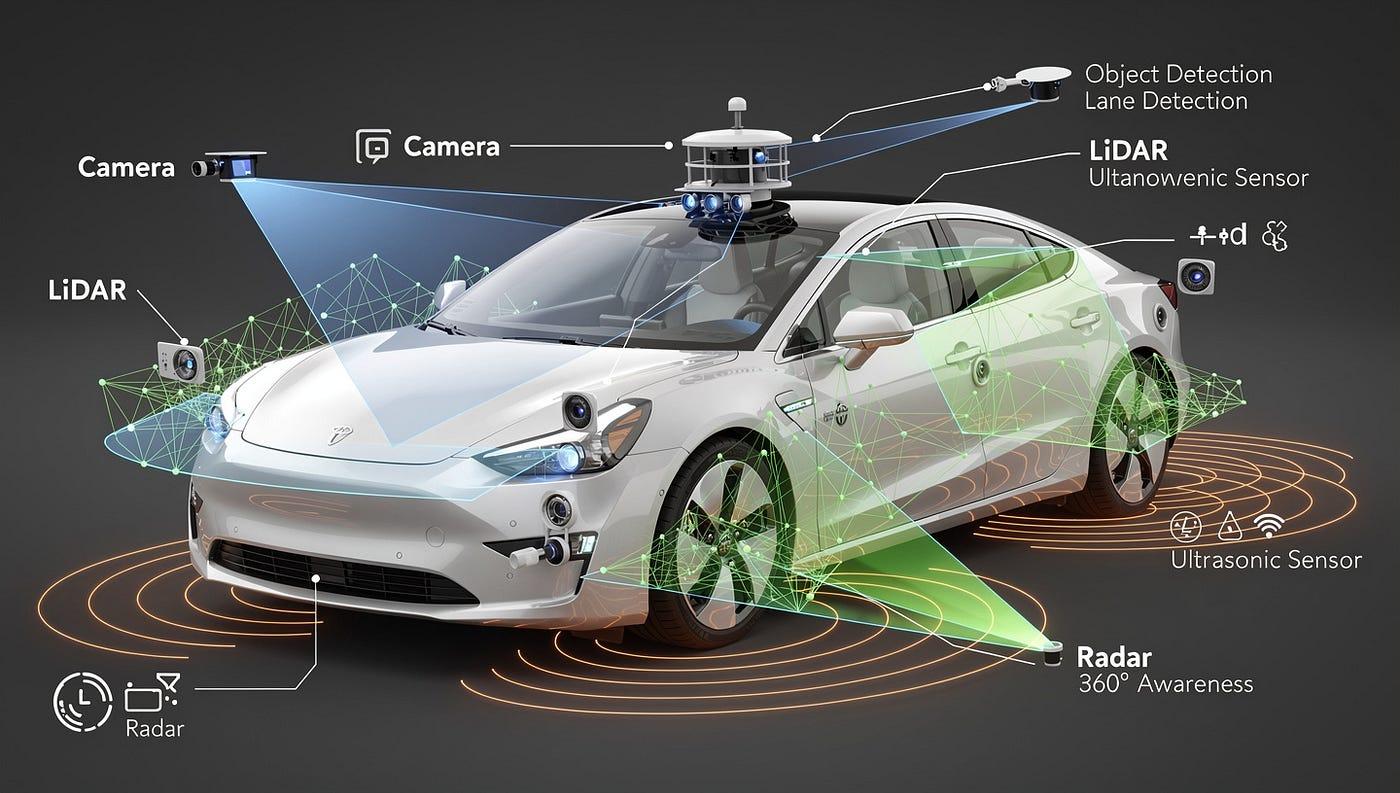
Automotive Ethernet is transforming how vehicles transmit data.
Traditional communication protocols are often unable to support the massive data requirements generated by modern cameras, radar systems, and autonomous driving technologies.
Industry forecasts show strong growth in Automotive Ethernet adoption as automakers migrate toward zonal and software-defined vehicle architectures. Automotive Ethernet is expected to become one of the most important communication technologies in future vehicles.
Electric Vehicles Create New Opportunities
The continued expansion of the EV market is creating significant demand for advanced connector solutions.
Electric vehicles require:
High-voltage connectors
Data connectors
Charging connectors
Battery management connections
Vehicle communication systems
As EV production increases worldwide, connector suppliers are expected to benefit from higher connector content per vehicle and more complex electrical architectures.
China Remains a Key Growth Market
China continues to play a major role in the global automotive connector industry.
Strong EV production, rapid adoption of intelligent driving technologies, and growing electronics content per vehicle are driving demand for automotive data connectors and communication systems.
As a result, many connector manufacturers are expanding production capacity and developing new products to support Chinese OEMs and international automotive brands.
Increasing Demand for Automotive Data Connectors
The market for automotive data connectors is growing steadily as vehicles become more connected.
Applications include:
ADAS systems
Camera modules
Automotive Ethernet
Infotainment platforms
Telematics systems
Vehicle communication networks
Industry analysts expect long-term growth as automakers continue integrating more electronic functions into vehicle platforms.
Industry Outlook for 2026 and Beyond
Looking ahead, several technologies are expected to shape the future of the automotive connector market:
Autonomous driving
Software-defined vehicles
Automotive Ethernet
Vehicle-to-Everything (V2X)
Artificial Intelligence in vehicles
High-speed data transmission
Electrification
These trends will require connectors that are smaller, faster, lighter, and more reliable than ever before.
Manufacturers capable of supporting high-speed communication and advanced automotive architectures will be well positioned for future growth.
Why eLinkcar?
As the automotive industry evolves, eLinkcar continues to provide reliable connectivity solutions for modern vehicle platforms.
Our product portfolio includes:
FAKRA Connectors
Mini FAKRA Connectors
HSD Connectors
Automotive Ethernet Connectors
Automotive Cable Assemblies
These products are widely used in ADAS, automotive cameras, vehicle communication systems, infotainment platforms, and intelligent mobility applications.
With advanced manufacturing capabilities and OEM/ODM support, eLinkcar helps customers meet the growing demands of next-generation automotive electronics.
Conclusion
The Automotive Connector Market in 2026 is being shaped by electrification, intelligent driving, and high-speed data communication. As ADAS, EVs, and Automotive Ethernet continue to expand, demand for advanced connector solutions will remain strong.
Companies that invest in innovative connectivity technologies today will be better prepared to support the future of connected and autonomous vehicles.